How to Actually Use LinkedIn as a College Student (Most Students Get This Wrong)
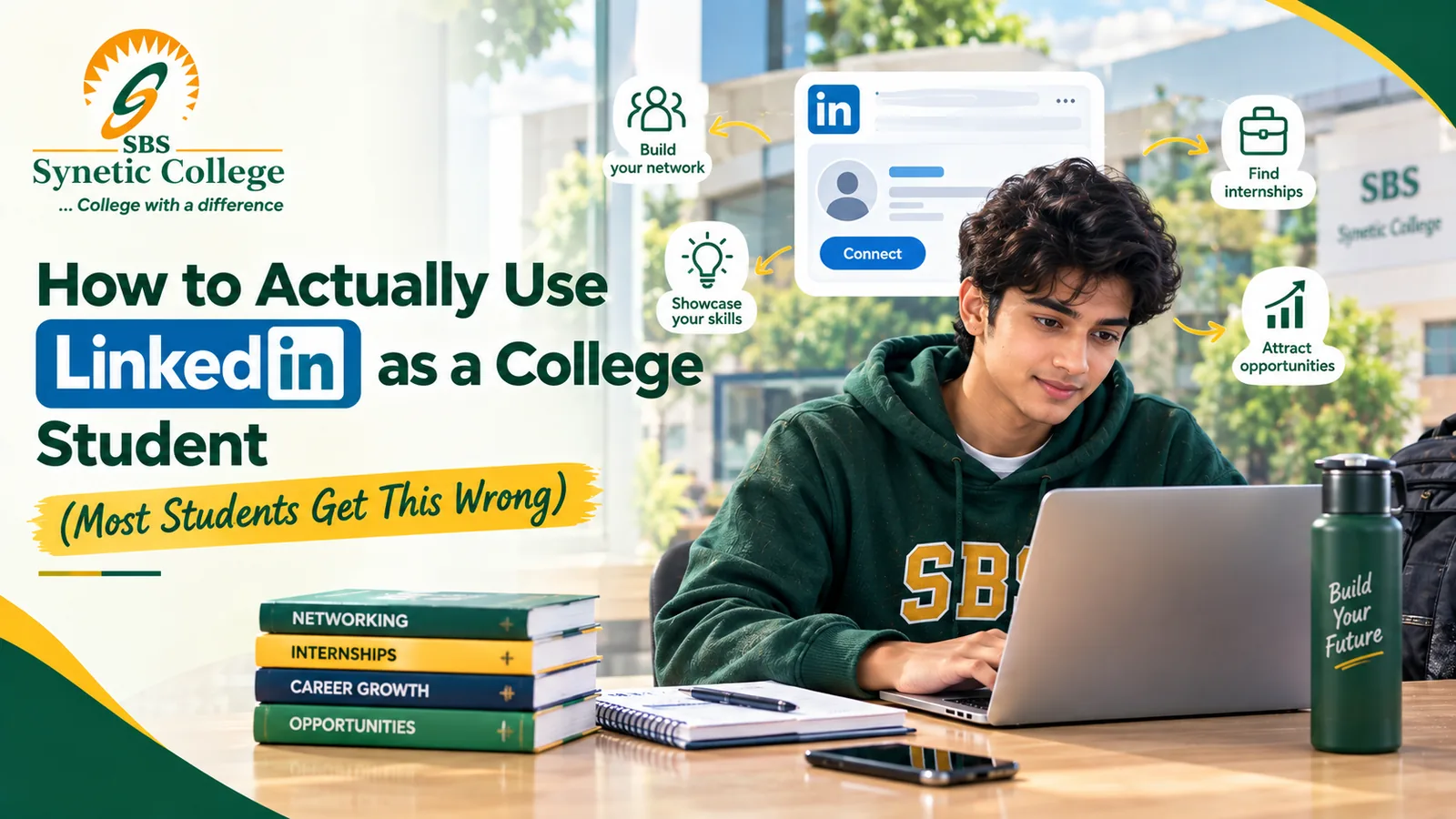
Most college students make a LinkedIn profile once and never touch it again. Here's how to actually use it to build a network, land internships, and get noticed before you even apply.
Why Most Students Get LinkedIn Wrong
Almost every college student has a LinkedIn account. Almost none of them use it properly. The typical pattern: sign up in first year because someone said to, upload a photo, copy-paste a generic headline, and never open the app again until final year — when suddenly it's supposed to land you a job. That's backwards. LinkedIn isn't a form you fill out once before placements. It's a habit you build over your whole degree, and the students who start early have a genuinely different placement experience than the ones who start in their final semester.
Your Profile Isn't a Resume — Stop Treating It Like One
A resume is static and only shows up when you send it. A LinkedIn profile is searchable, shareable, and visible to a recruiter before they've even spoken to you — which means it needs to work harder than a resume does.
Your photo and headline are doing more work than you think. A clear, recent photo where your face is visible (not a group photo cropped badly, not a filter-heavy selfie) is worth more than people assume — recruiters scan photos in half a second. Your headline shouldn't just say "Student at SBS." Say what you're actually building toward: "BBA Student | Aspiring Digital Marketer | SBS Ludhiana" tells a recruiter exactly who you are in one line.
Your "About" section should read like a person, not a form. Skip generic lines like "I am a hardworking and dedicated individual." Instead, say what you're studying, what you're genuinely interested in, and one or two real things you've done — a project, an internship, an event you organised. Three honest sentences beat ten generic ones.
Add experience even before you have a "real" job. A college fest you helped organise, a society you're part of, a project from your syllabus, a freelance gig — all of it counts as experience on LinkedIn. Recruiters don't expect a first-year or second-year student to have corporate experience. They're looking for signs of initiative, and an empty Experience section signals the opposite.
Building a Network That Actually Matters
Connection requests without a message get ignored — or worse, they make you look like you're collecting numbers instead of building relationships. When you connect with a faculty member, an alum, or someone from a company you're interested in, add one line: who you are, why you're connecting. It takes ten seconds and multiplies your acceptance rate.
The most underused move: connecting with your own seniors and alumni. They remember being in your position, they're far more likely to respond to a genuine message, and they're often the fastest route to an actual referral — something no cold application can match.
Posting: The Part Almost Everyone Skips
Most students only ever view LinkedIn — they never post. That's a missed opportunity, because posting is what actually gets you seen by people outside your existing network. You don't need to post daily or write something profound. A short post about a project you completed, a workshop you attended, or something you learned during an internship does two things at once: it documents your growth, and it puts you in front of recruiters and alumni who might otherwise never see your profile at all.
Using LinkedIn to Actually Find Internships and Jobs
Beyond the profile itself, LinkedIn is a genuine job-search tool if you use its features properly:
- Turn on "Open to Work" (visible to recruiters only, if you prefer) so recruiters actively searching for candidates can find you
- Follow companies you're interested in — many post internships and entry-level openings on their company page before they appear anywhere else
- Use LinkedIn's job search filters (internship, entry-level, location) instead of scrolling blindly
- Comment thoughtfully on posts from people in your target industry — it's one of the few ways a student with no network can get noticed by someone senior, organically
How This Connects to Real Opportunities at SBS
None of this replaces the placement process — it strengthens it. SBS's placement cell runs structured internships from your second year and final placements in your third year, working with 100+ active recruiters including ICICI Bank, HDFC Bank, Axis Bank, Flipkart, Wipro, Airtel, Hero Cycles, Fortis Healthcare, and Vardhaman Textiles, alongside partnerships like TCS iON and the Ludhiana Management Association. A recruiter from any of these companies who's about to interview you will very likely look you up on LinkedIn first — and what they find shapes the conversation before it starts.
The same applies to SBS's UMEED Mega Job Fair, which brings 35+ companies to campus. Students who've built a real LinkedIn presence before the fair aren't starting from zero when they meet a recruiter in person — the recruiter may already recognise their name.
A Simple LinkedIn Routine for Busy Students
You don't need hours a week. A realistic routine: update your profile once a semester as you add new experience, spend ten minutes a week actually scrolling your feed and engaging with a few posts, and send two or three thoughtful connection requests a month instead of dozens of blank ones. Consistency across your whole degree beats a rushed overhaul the month before placements, every time.
Frequently Asked Questions
Do I need a LinkedIn profile if I'm only in first year?
Yes — and first year is the ideal time to start, precisely because there's no pressure yet. Building your profile gradually as you add real experience looks far more natural to a recruiter than a profile built in a rush right before placements.
What's the single biggest LinkedIn mistake college students make?
Treating it as a one-time task instead of an ongoing habit. A profile made once in first year and never updated again tells a recruiter nothing about who you've become by final year.
Should I connect with people I don't know personally?
Yes, but always with a short message explaining who you are and why you're connecting — faculty, alumni, and recruiters respond far better to a genuine one-line note than a blank request.
How often should I post on LinkedIn as a student?
There's no fixed number — a short, genuine post whenever you complete a project, internship, or workshop is more valuable than posting on a forced schedule. Quality and consistency over your degree matter more than frequency.
Can LinkedIn actually help with placements at SBS?
Yes, directly. SBS's recruiters — including ICICI Bank, HDFC Bank, Flipkart, Wipro and 100+ others working with our placement cell — often look up a candidate's LinkedIn before or during the interview process. A well-built profile can shape that first impression before you've even spoken.
Is it too late to fix my LinkedIn profile in my final year?
No, but earlier is always better. Even in final year, updating your headline, adding real project and internship experience, and reaching out to alumni with a genuine message can meaningfully improve how you show up before placements begin.
A LinkedIn profile built over three years of real experience will always beat one built in three days before placements. — SBS Editorial Team
Written by
SBS Editorial Team
Synetic Business School — sharing stories, insights, and updates from our campus in Ludhiana, Punjab.